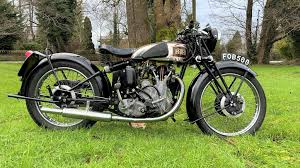
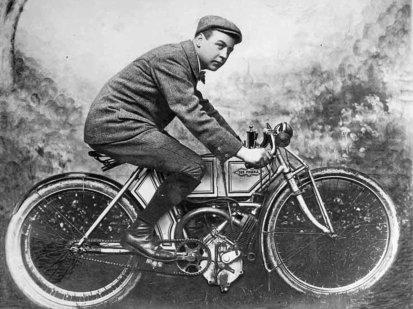
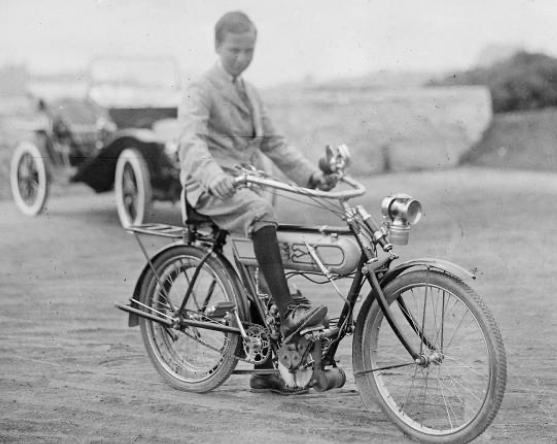
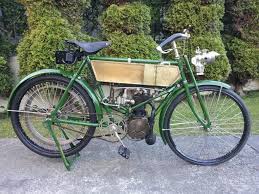
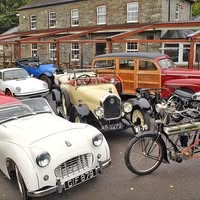
Find interesting posts about the classic motorcycles that are ridden and cherished by motorcyclist around Ireland and beyond. It’s also a great place to get some idea’s for events to show off your classic machine and let the motorcycling community share in the nostalgia.
Classic & Vintage Motorcycles
Where it Started!
The Motor Cycle Union of Ireland came into being as the result of a meeting held on March 7, 1902, in the Metropole Hotel, Dublin. The meeting, called by well-known Dublin publisher, James C. Percy, discussed the possibility of setting up a club for the growing number of motorcyclists in the city.
Bikes in West
On 20 May 1902, the motorbike as a mode of transport was seen in the West of Ireland for the first time. A large crowd of people gathered in Tuam to see a man named T.M. Morris of Oughterard, who with ‘splendid pluck and daring mounted the machine’ and drove it through the streets of the town.
Made in Ireland
The 1903 Celtic, manufactured by Robert Lindsay in Dublin and Kildare, is recognized as one of the earliest purpose-built Irish motorcycles. While early motorized bikes were imported, the Celtic was built to order, featuring a dedicated frame with the engine as a stressed member.
Irish Ingenuity!
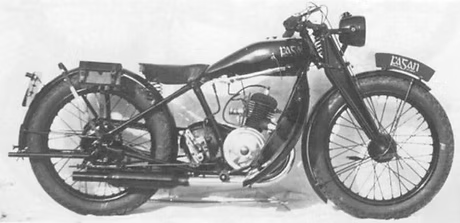
After the Irish Free State was founded a trade war began with the United Kingdom,de Valera imposed levies on British imports in response to UK sanctions imposed on Irish exports, to avoid these levies The Fagan motorcycle came into being, imported as parts and assembled in Ireland.
1920s
1920s motorcycles in Ireland were dominated by British imports like Triumph and Douglas, with significant growth in racing and utility use. The era saw specialized adaptations to dodge Irish Free State import levies, including local assembly of imported parts, and the emergence of early Irish-built machines. Common brands included 1920s AJS, James, and Harley-Davidson.
1930s
Trade wars remained an influence in the 1930s. Tariff’s and Levies on British imports, under de Valera, led to the rise of local assembly. An example of this was the Fagan motorcycle.
1940s
Motorcycling in 1940s Ireland was defined by the scarcity of vehicles during and immediately after “The Emergency” (World War II), leading to a heavy reliance on British, ex-military machines for everyday transport. The scene was dominated by manufacturers like BSA (particularly the 500cc M20 used by the Irish Army), Triumph (including the Speed Twin), Matchless, Norton, Ariel, and Royal Enfield.
1950s
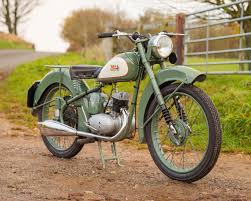
In the 1950s, motorcycling in Ireland was transitioning from pre-war machines to accessible daily transport, characterized by BSA, Triumph, and Norton brands, alongside emerging European mopeds. While early 50s bikes like the BSA Bantam were popular, mopeds and light motorbikes gained popularity, setting the stage for the 1960s Honda 50 moped boom.
1960s
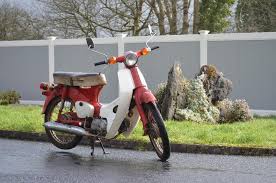
The 1960s in Ireland saw a major shift towards two-wheeled mobility, defined by a “moped boom” and the rise of affordable Japanese motorcycles. The Honda 50, often called the ‘Nifty Fifty’, became the dominant, economical transport, while brands like Puch and Garelli were also popular.
1970s
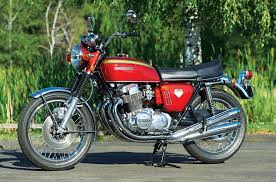
1970s motorcycling in Ireland was defined by the rise of Japanese bikes like the Honda CB series (500/4, 750) and Suzuki “Kettles”, alongside enduring British classics like Norton Commandos. It was a vibrant era for road racing, featuring legends like Joey Dunlop, and popular among daily commuters in towns like Waterford.
1980s
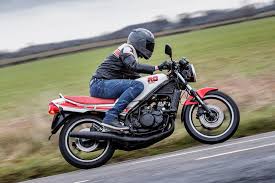
1980s motorcycles in Ireland were characterized by the rise of Japanese performance bikes, the popularity of two-stroke racers, and the emergence of adventure touring. Key models included the Yamaha RD350LC YPVS, Honda CX500, Suzuki RG250 Gamma, and BMW’s K-series “bricks”. Today, these classic, often imported bikes are highly sought after.
1990s
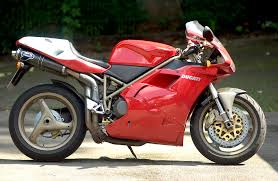
The 1990s in Ireland, much like the UK, was a “golden era” of motorcycling, characterized by rapid advancements in speed, power, and technology, with many of these bikes still sought after today as modern classics. The decade was dominated by iconic Japanese sports bikes, the birth of hyperbikes, and the resurgence of British manufacturer Triumph.
The Classic & Vintage Scene
The Irish Veteran and Vintage Motorcycle Club
IVVMCC c.l.g. was founded in 1976 to cater for everyone interested in classic and vintage motorcycle restoration and use. The present membership is about 280 enthusiasts, with over 600 machines, the oldest dating from 1899. They are actively engaged in the preservation of Ireland’s motor cycling heritage for present and future generations and run major events during the year including the largest Motorcycle Show and Autojumble in the Autumn at Leopardstown Race Course.
Classic Bike Racing
Classic Bike Racing Ireland (CBRI) include members who race abroad and at home. In Ireland they compete on short circuits and at all national road races. If a classic bike turns a wheel, then some of their members will be there to make a race of it. They have many riders, racing all sorts of machinery including Triumphs, Norton’s, Westlake, Honda’s and Suzuki’s. And they welcome anyone with a passion for Classic Racing machinery
Classic Bike Festival
The Revival Racing Motorcycle Club was founded when Phillip McCallen and Robin Titterington who decided to turn their shared interests into an official Motorcycle Club. After a couple of quick meetings, they were on their way to creating something extraordinary – The Classic Bike Festival Ireland.
Classic Wheels Ireland
Classic Wheels Ireland are a community of enthusiasts dedicated to celebrating and preserving classic, veteran, and vintage cars and motorcycles. The group is based in East Cork and is open to anyone with a passion for these iconic vehicles. Classic Wheels Ireland organizes the annual Vintage Classic Car & Bike Event, which is a two-day celebration of vintage classic cars and bikes. The event takes place in Youghal, Co. Cork, Ireland.